Rare As…?

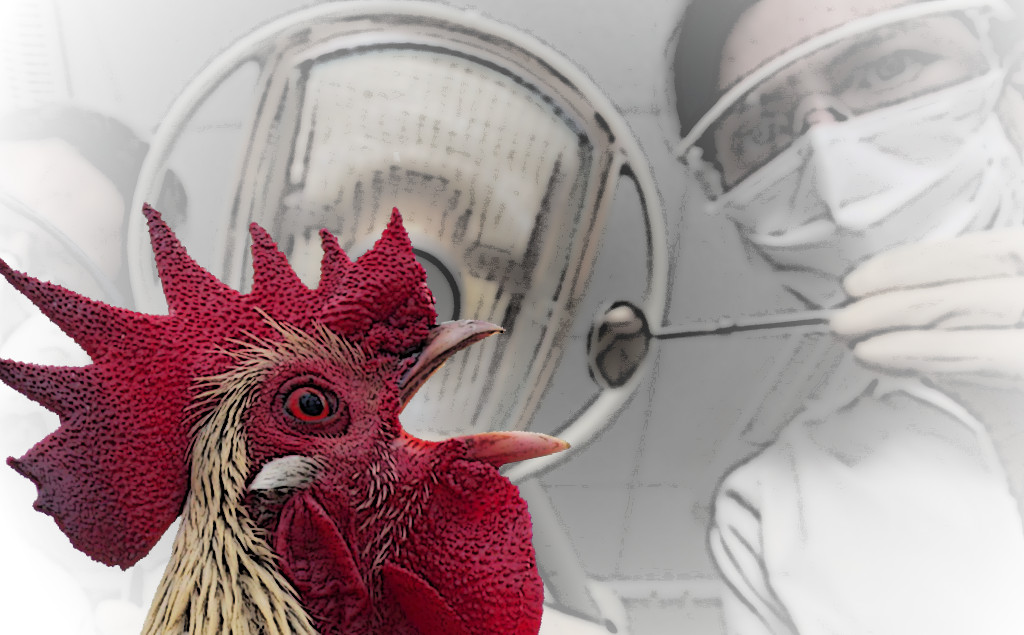
Pushing genetic engineering to its limits, a team of Nepalese scientists are creating what will be the first “hen’s tooth”. Inspired by the classic idiom, the funding has been granted by an anonymous beneficiary who hopes to be the first, and last, collector of hen’s teeth.

“It’s genius,” says Paulo*, “We have the science. It should only take a few iterations to get it right.”

Getting it right is the problem, he goes on to say, since each new strain of chicken needs to be grown and checked for what actually constitutes a tooth. The technique involves ‘turning on’ recessive genes that exist naturally within the chicken, that have been made dormant.

Early indications are promising, although most ‘teeth’ have appeared as mere ridges on the bird’s beak.

It’s not all science, though. Paulo insists that there is a financial side to this as well, “By making the world’s only source of hen’s teeth, (the beneficiary) will have the monopoly and be able to control the number in existence. This keeps them extraordinarily rare and valuable. If it works out, he will more than recoup what he spent on the project.”

*Not his real name. Identities have been suppressed at the request of interviewees.ChesterLogoSmall

Breathe In

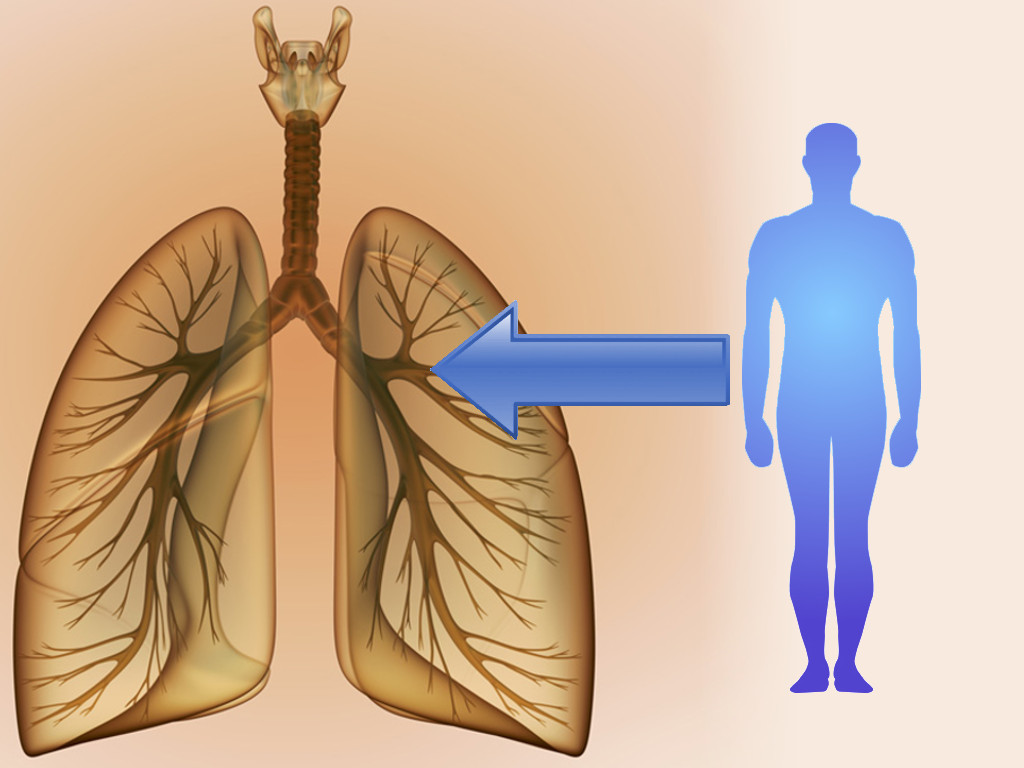
70% of household dust is made up of waste cells and hair. While this might come as a shock to some, researchers have established that, over the course of a lifetime, the average pair of lungs breathes in the equivalent of an entire human!

Those who spend more time in recycled air environments with a large number of mobile personages, like office buildings, aeroplanes and hospitals, have been found to have a higher count of particles in their lungs tissues, coupled with an elevated macrophage count.

Michelle Green, Senior Technician of Higher Research in Louisiana, says, “We noticed a spike in macrophages, an order of one hundred times greater, between population samples when looking at lung tissue. Simon (A fellow technician) noticed the potential correlation and we performed further analysis to find out just what they were feasting on.”

The amount of ‘foreign human matter’ found was ‘interesting’ but not ‘alarming’, she said.

“It’s not cannibalism, if that’s what you’re worried about. Sure, an amount of digested matter is absorbed into the bloodstream, but it’s not like you’re chewing off a finger. What’s more, there’s a good chance that, among the billions of particles that have entered your system, you have most likely inhaled several celebrities!”ChesterLogoSmall